

Why Self-Care Matters for Mental Health
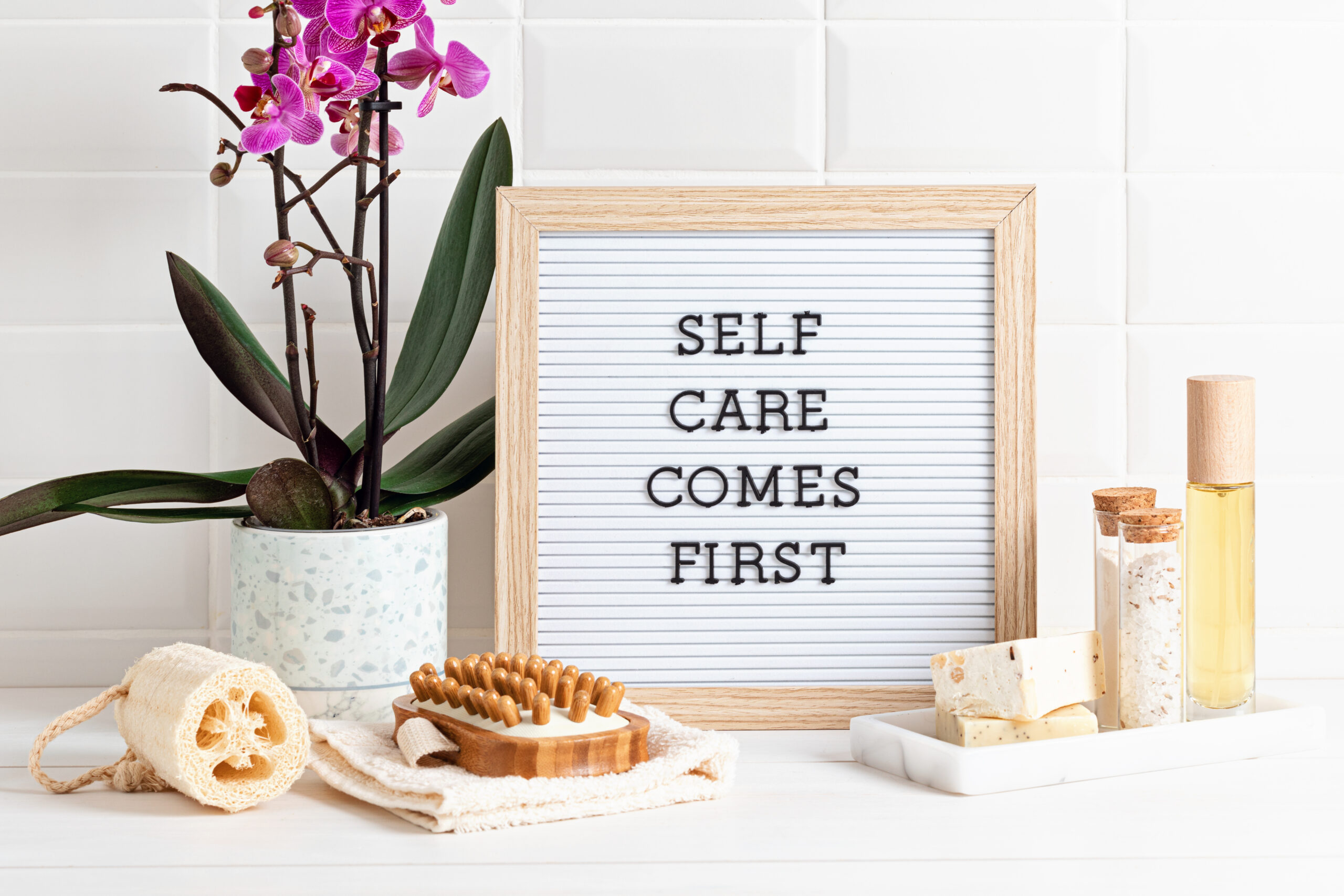
Self-care is often talked about, but not always practiced consistently. During Mental Health Awareness Month in May, it’s a great opportunity to reset and focus on habits that support your emotional well-being.
Self-care is not just about relaxation or occasional breaks. It’s about creating daily habits that help you manage stress, regulate emotions and maintain balance. When done consistently, self-care can improve mood, increase resilience and support long-term mental health.
What Self-Care Really Looks Like
There is a common misconception that self-care has to be time-consuming or expensive. In reality, the most effective self-care practices are often simple and easy to integrate into daily life.
Self-care can include:
- Taking short breaks throughout the day
- Getting enough sleep each night
- Setting boundaries with work or social obligations
- Spending time doing activities you enjoy
- Checking in with your emotions regularly
The goal is to create habits that feel sustainable, not overwhelming.
Daily Self-Care Ideas You Can Start in May
If you’re not sure where to begin, start small. Even minor adjustments can have a meaningful impact over time. Consider incorporating these daily self-care practices:
- Start your morning without your phone
- Take a short walk outside
- Practice deep breathing for a few minutes
- Drink enough water throughout the day
- Set one realistic goal for the day
These small actions help build consistency and reduce stress.
Emotional Self-Care and Mental Check-Ins
One of the most important aspects of self-care is understanding your emotional needs. Taking time to check in with yourself can help you recognize when something feels off before it escalates.
Ask yourself:
- How am I feeling today?
- What is causing me stress right now?
- What do I need in this moment?
These questions can guide your decisions and help you respond to your needs more effectively.
The Importance of Social Connection
Self-care is not always done alone. Building and maintaining supportive relationships is a key part of emotional well-being.
Spending time with people who make you feel supported can:
- Improve mood
- Reduce feelings of isolation
- Provide perspective during stressful times
- Increase overall life satisfaction
Even brief interactions can make a difference.
Setting Boundaries as a Form of Self-Care
Many people overlook boundaries as part of self-care, but they are essential. Without boundaries, it’s easy to become overwhelmed or burned out.
Examples of healthy boundaries include:
- Saying no to commitments you cannot manage
- Limiting time spent on stressful activities
- Taking breaks when needed
- Protecting your personal time
Setting boundaries helps create space for rest and recovery.
When Self-Care Isn’t Enough
While self-care is important, it is not always a complete solution. If you are experiencing ongoing stress, anxiety or depression, professional support may be necessary.
Therapy and structured mental health programs can provide deeper guidance, coping strategies and support that go beyond what self-care alone can offer.
Making May a Turning Point for Your Mental Health
Mental Health Awareness Month is the perfect time to take action. By incorporating self-care into your routine and paying attention to your emotional needs, you can create a stronger foundation for long-term wellness.
The key is consistency. Small, intentional efforts each day can lead to meaningful improvements in your mental health over time.