

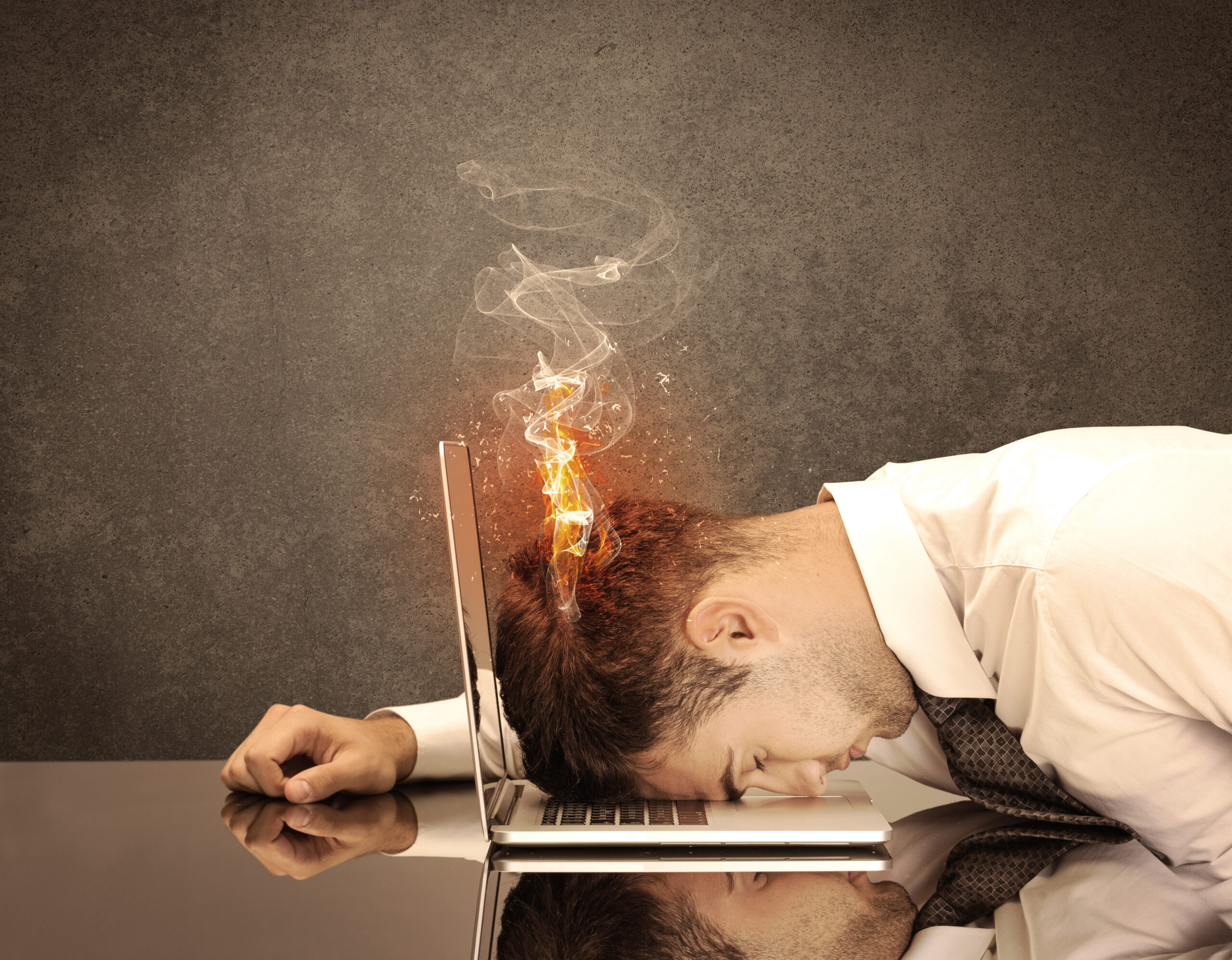
Stress, anxiety, and burnout are often talked about as separate experiences, but in reality, they are closely connected. What starts as everyday stress can gradually build into anxiety, and if left unaddressed, can eventually lead to burnout.
Understanding how these three experiences are linked can help you recognize when stress is escalating and take steps to regain control before it becomes overwhelming.
How Stress Can Turn Into Anxiety
Stress is your body’s response to pressure or demands. In small amounts, it can help you stay focused and motivated. However, when stress becomes ongoing, it can begin to shift into anxiety.
Unlike stress, which is often tied to a specific situation, anxiety can feel more constant. You may find yourself worrying excessively, feeling on edge, or struggling to relax even when there is no immediate problem.
This happens because your body becomes used to being in a heightened state. Over time, your mind starts to anticipate stress, even when it is not present.
The Role of Chronic Stress in Burnout
Burnout is what can happen when stress continues for too long without relief. It is often described as a state of emotional, mental, and physical exhaustion.
You may feel drained, unmotivated, and disconnected from things that once felt important. Tasks that used to feel manageable may now feel overwhelming or pointless.
Burnout is not just about being tired. It is a deeper sense of depletion that affects your ability to function and engage in daily life.
Emotional and Mental Warning Signs
As stress progresses into anxiety and burnout, you may notice changes in how you think and feel.
Common emotional signs include irritability, frustration, persistent worry, and feeling overwhelmed. Mentally, you may struggle with focus, decision-making, and staying organized.
Some people also experience a sense of detachment or numbness, where it becomes difficult to feel engaged or connected.
Physical Effects of Ongoing Stress
The connection between stress, anxiety, and burnout is not just mental. It also shows up physically.
You may experience fatigue, headaches, muscle tension, or sleep disturbances. Your energy levels may feel low, even after resting. Over time, your body can feel like it is constantly running on empty.
These physical symptoms are often a sign that your system has been under pressure for too long.
How This Cycle Impacts Daily Life
When stress evolves into anxiety and burnout, it can begin to affect every part of your life.
Work performance may decline, relationships may feel strained, and daily responsibilities can become harder to manage. You might start avoiding tasks or withdrawing from situations that feel overwhelming.
This can create a cycle where stress leads to reduced functioning, which then increases stress even further.
Breaking the Cycle Before Burnout Sets In
The key to preventing burnout is recognizing when stress is starting to escalate. Paying attention to early signs like constant worry, fatigue, or irritability can help you take action sooner.
Small changes, such as setting boundaries, creating structure, and prioritizing rest, can make a meaningful difference. However, when stress feels persistent or overwhelming, professional support can be especially helpful.
Getting Support for Stress and Anxiety
You do not have to navigate stress, anxiety, or burnout alone. Therapy can provide tools to manage stress more effectively, understand underlying patterns, and build healthier coping strategies.
With the right support, it is possible to break the cycle, reduce anxiety, and prevent burnout from taking over your daily life.