

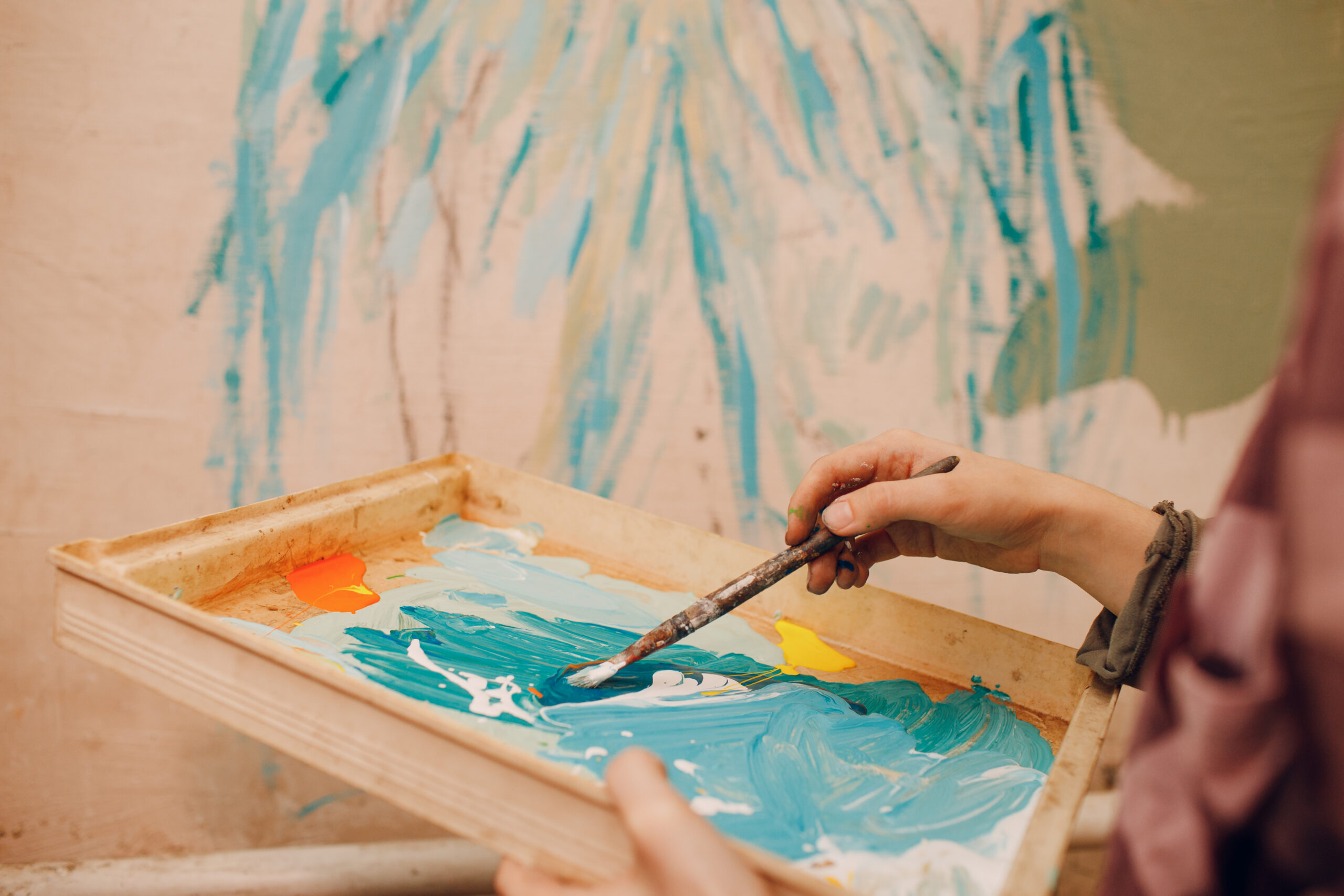
When Words Are Not Enough: The Power of Creative Healing
Recovery from substance use disorder demands more than physical detoxification. It requires deep emotional and psychological healing — the kind that is not always accessible through conversation alone. Trauma, shame, and grief are complex emotional experiences that many individuals in recovery struggle to put into words. Art and expressive therapy offers a powerful alternative pathway, allowing people to access, process, and release emotions that might otherwise remain buried and continue to fuel addictive behavior.
At Avise Wellness Collective, we integrate art and expressive therapy into our holistic treatment model because we understand that healing the whole person means engaging every dimension of human experience — not just the cognitive.
How Art Therapy Works in a Clinical Setting
Art therapy is not simply an arts and crafts activity. It is a clinically guided process facilitated by trained therapists who use creative expression as a therapeutic tool. Clients do not need any artistic skill or experience. The focus is entirely on the process of creation, not the quality of the product.
In a session, a therapist might guide a client to draw the circumstances that brought them to treatment, then sketch a bridge connecting where they are now to where they want to be. They may be asked to illustrate the obstacles standing between them and recovery, or to represent the emotions they have been carrying. This process of visual externalization makes abstract pain concrete and manageable. It also creates a record of progress that clients can reflect on throughout their treatment journey.
Building Emotional Regulation Through Creative Expression
One of the most significant consequences of long-term substance use is the erosion of healthy coping mechanisms. Many individuals in recovery have spent years using substances to avoid feeling difficult emotions rather than developing the skills to process them. Art therapy directly addresses this deficit.
The act of creating requires focus and presence, naturally drawing the mind away from anxious rumination and into the moment. This is a form of active mindfulness — one that many clients find more accessible than traditional meditation practices. Over time, clients begin to associate the creative process with a sense of calm and control, building a reliable coping tool they can use independently. This supports the broader emotional regulation and coping strategies that are central to our treatment philosophy at Avise Wellness Collective.
Rebuilding Self-Worth and Peer Connection
Addiction frequently damages self-esteem. Clients often arrive in treatment carrying significant shame and a diminished sense of their own value. Completing a creative project — no matter how simple — fosters a genuine sense of accomplishment. It reminds individuals that they are capable of creating something meaningful, a small but powerful counterweight to the shame that addiction often leaves behind.
When art therapy is conducted in a group setting, it also becomes a vehicle for connection. Sharing artwork and the stories behind it allows clients to see themselves in one another, breaking down the isolation that so often accompanies addiction. This peer dynamic reinforces the community-building that is central to our group therapy programs at Avise Wellness Collective.
A Holistic Approach to Lasting Recovery in Bucks County
Art and expressive therapy is most effective when integrated within a broader, comprehensive treatment plan. At Avise Wellness Collective, it works alongside individual therapy, CBT, DBT, and other evidence-based modalities to ensure that clients heal on every level — emotionally, psychologically, and behaviorally.
If you are ready to explore a treatment approach that goes beyond the conventional, our team at Avise Wellness Collective is here to help. Contact us today to learn more about our holistic programs and how we can support your unique path to recovery in Bucks County, PA.