

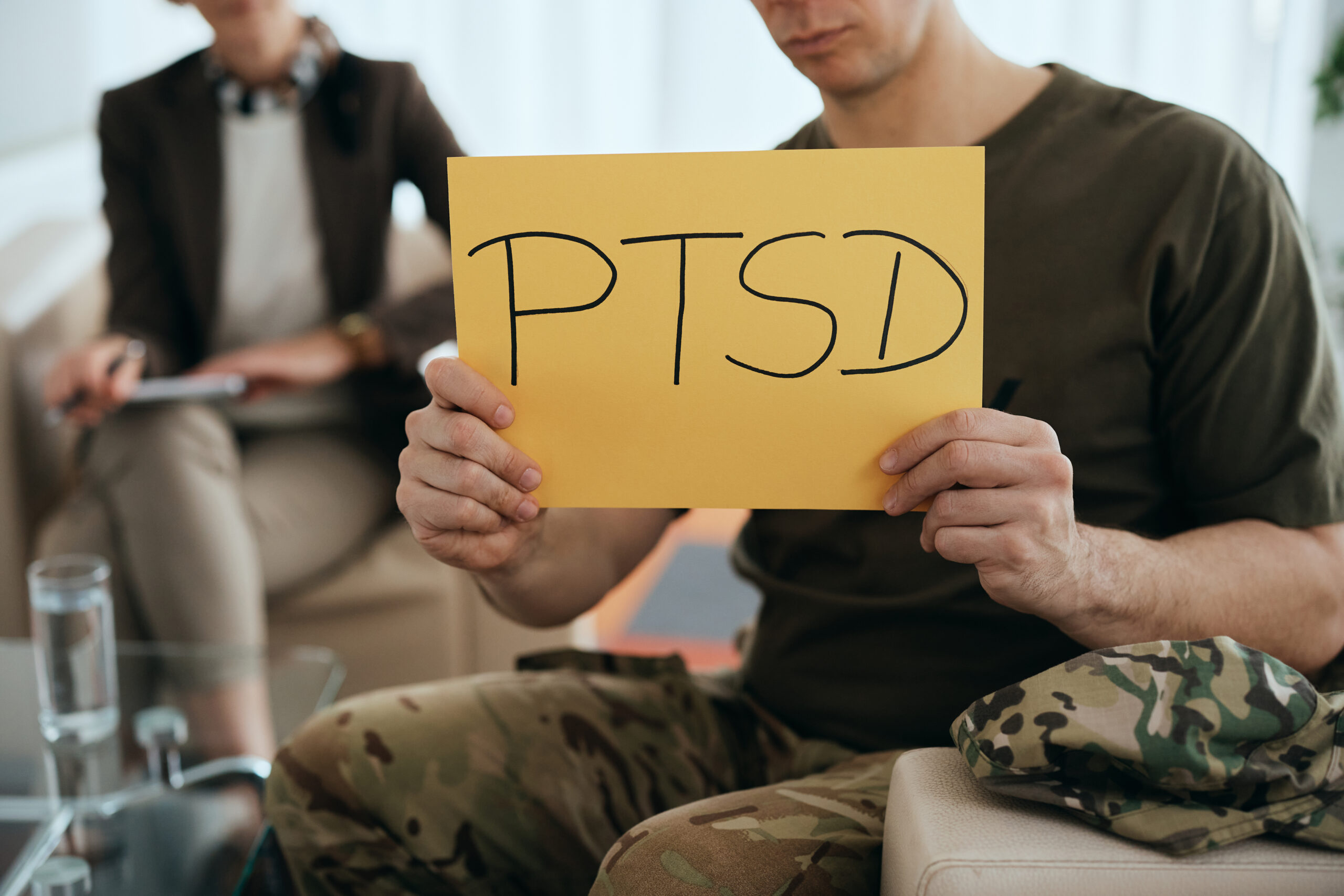
When many people think about PTSD, they picture dramatic flashbacks or scenes portrayed in movies and television. While flashbacks can be a symptom of post-traumatic stress disorder, PTSD is often far more complex and difficult to recognize than most people realize.
Trauma affects everyone differently. Some individuals experience obvious emotional distress after a traumatic event, while others continue functioning outwardly while silently struggling with anxiety, emotional numbness, panic, sleep issues, or constant feelings of being on edge.
June is recognized as PTSD Awareness Month, making it an important time to raise awareness about how trauma impacts mental health and why professional support matters. At Avise Wellness, we understand that PTSD does not always look the way people expect, and healing often begins with understanding the signs.
What Is PTSD?
Post-traumatic stress disorder is a mental health condition that can develop after experiencing or witnessing a traumatic event. Trauma can include situations such as:
- Physical or emotional abuse
- Sexual assault
- Military combat
- Serious accidents
- Sudden loss or grief
- Medical trauma
- Domestic violence
- Childhood neglect
- Natural disasters
- Ongoing emotional instability or chronic stress
While many people experience stress after difficult events, PTSD occurs when the nervous system remains stuck in survival mode long after the danger has passed.
This can affect emotional regulation, physical health, relationships, sleep, and daily functioning.
PTSD Does Not Always Involve Flashbacks
One of the most misunderstood aspects of PTSD is the belief that everyone experiences vivid flashbacks. In reality, many individuals experience trauma symptoms in quieter ways that are easier to overlook.
Some people with PTSD may experience:
- Emotional numbness
- Chronic anxiety
- Irritability or anger
- Difficulty trusting others
- Panic attacks
- Feeling emotionally detached
- Trouble concentrating
- Avoidance of certain people or places
- Hypervigilance or always feeling “on edge”
- Sleep problems or nightmares
- Feelings of guilt or shame
For some individuals, trauma responses become so normalized that they no longer realize how much emotional distress they are carrying daily.
High-Functioning PTSD Can Be Hard to Recognize
Many individuals with PTSD continue working, parenting, attending school, or managing responsibilities while struggling internally. This is sometimes referred to as high-functioning PTSD.
Someone may appear calm and successful outwardly while privately experiencing severe stress, emotional exhaustion, or overwhelming anxiety.
Because symptoms may not always appear dramatic, many people delay seeking mental health treatment for years. Some may minimize their experiences by believing others “had it worse,” while others avoid discussing trauma altogether.
Unfortunately, untreated trauma can continue affecting both emotional and physical health over time.
How Trauma Affects the Brain and Body
Trauma does not only affect emotions. It can also impact the nervous system and physical body.
When someone experiences trauma, the brain’s stress response system becomes highly activated. Over time, this can make the body remain in a constant state of alertness, even in safe environments.
This ongoing stress response may contribute to:
- Chronic fatigue
- Muscle tension
- Digestive issues
- Increased heart rate
- Difficulty sleeping
- Panic symptoms
- Emotional overwhelm
- Trouble regulating emotions
Many individuals with PTSD also experience co-occurring conditions such as anxiety, depression, or substance use challenges.
This is why comprehensive outpatient mental health treatment often focuses on both emotional and physical healing.
Healthy Coping Versus Survival Coping
After trauma, people naturally try to protect themselves emotionally. Some coping strategies may help temporarily but become harmful over time.
Survival coping mechanisms may include:
- Isolation
- Emotional avoidance
- Substance use
- Overworking
- Anger or emotional outbursts
- Emotional shutdown
- Constant distraction
These behaviors are often attempts to manage overwhelming emotions rather than signs of personal failure.
Through individual therapy and trauma-focused treatment, individuals can begin learning healthier coping skills while safely processing difficult experiences.
How Trauma Therapy Can Help
Healing from trauma is possible with the right support and treatment approach. Trauma therapy helps individuals understand how past experiences continue affecting present thoughts, emotions, and behaviors.
At Avise Wellness, treatment is personalized based on each individual’s needs and comfort level.
Some therapeutic approaches may include:
- EMDR therapy
- Group therapy
- Mindfulness techniques
- Cognitive behavioral therapy
- Stress management strategies
- Emotional regulation skills
- Trauma-informed counseling
The goal of treatment is not to erase difficult experiences. Instead, therapy helps individuals reduce emotional distress, regain a sense of safety, and develop healthier ways to move forward.
You Do Not Need to “Earn” Support
One of the biggest misconceptions surrounding trauma is the belief that someone’s experience was “not bad enough” to seek help.
Trauma is not measured by comparison. If an experience continues affecting your emotional well-being, relationships, sleep, anxiety levels, or daily functioning, support may be beneficial.
Seeking help early can prevent symptoms from worsening and improve overall quality of life.
Support for PTSD and Trauma Is Available
Living with unresolved trauma can feel exhausting and isolating, but recovery is possible. With compassionate care and evidence-based treatment, individuals can begin rebuilding emotional stability, confidence, and healthier coping patterns.
At Avise Wellness, we provide personalized mental health counseling and trauma-informed treatment designed to support long-term healing. Whether someone is struggling with anxiety, emotional overwhelm, PTSD symptoms, or unresolved trauma, professional support can make a meaningful difference.
Healing does not happen overnight, but taking the first step toward support can be the beginning of lasting change.